

Dental sealants and fillings are two common dental treatments aimed at protecting and restoring teeth, but they serve different purposes and involve distinct procedures. Dental sealants are preventive coatings applied to the chewing surfaces of teeth to stop decay before it starts, while fillings repair teeth already affected by cavities. Choosing the right option depends on factors like age, oral health, and risk of decay. Understanding the differences, procedures, benefits, risks, and controversies surrounding sealants and fillings can help you make an informed decision and maintain long-term dental health.
What Are Dental Sealants and Fillings?
Dental Sealants
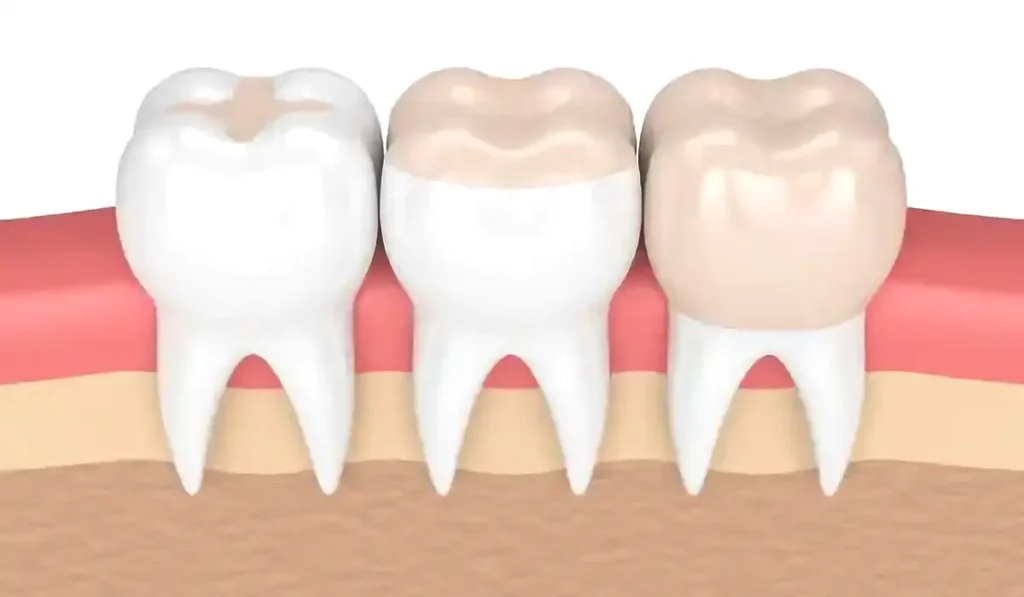
Dental sealants are thin, protective coatings usually made from resin applied to the grooves of molars and premolars. They act as a barrier, preventing bacteria and food particles from causing decay.
Fillings
Fillings are materials used to restore teeth damaged by cavities. Common filling materials include composite resin, amalgam, or glass ionomer. Fillings restore tooth function, structure, and appearance.
How Do Dental Sealants Work?
Dentists first clean the teeth thoroughly to remove plaque and debris. Next, they apply an acidic solution to the chewing surfaces to prepare the enamel for bonding. Then, they paint the sealant material onto the grooves and harden it with a curing light. As a result, the sealed teeth become smooth and resistant to decay for several years. Children and teenagers benefit most from sealants, but adults prone to cavities can also gain protection.
How Do Fillings Work?
The dentist removes decayed tooth material using a drill or laser. Afterward, they clean the cavity to ensure no bacteria remain. Then, the filling material is placed into the prepared cavity and shaped to match the natural tooth. Finally, the dentist hardens the filling with a curing light (for composite fillings) or lets it set naturally (for amalgam). Fillings restore teeth that are already damaged, while sealants focus on preventing future decay.
Dental Sealants vs Fillings: Key Differences
| Feature | Dental Sealants | Fillings |
|---|---|---|
| Purpose | Prevent cavities | Repair cavities |
| Material | Resin-based | Composite, amalgam, glass ionomer |
| Procedure | Non-invasive | Involves removal of decayed tissue |
| Longevity | 5–10 years | 5–15 years depending on material |
| Best for | Children and adults at high risk | Any age with existing decay |
| Controversy | Possible BPA exposure; efficacy debated for adults | Minimal controversy, standard procedure |
Common Controversies Around Dental Sealants
- Some sealants contain BPA, a chemical that can act as an endocrine disruptor, though exposure is minimal and temporary.
- Questions remain about sealant effectiveness in adults, especially if decay has already begun.
- Misconception that sealants replace daily oral hygiene practices; they are a supplement, not a substitute.
Learn more about how dental sealants protect teeth WebMD: Dental Sealants
Who Should Get Sealants or Fillings?
- Children and Teenagers: Dentists highly recommend sealants for children and teenagers with newly erupted molars.
- Adults: Fillings for existing cavities; sealants may benefit adults with deep grooves or high cavity risk.
- High-Risk Patients: Those with dry mouth, braces, or limited oral hygiene may benefit from sealants even as adults.
Step-by-Step Guide: Choosing Between Sealants and Fillings
- Schedule a dental checkup for assessment.
- Dentist examines for cavities, tooth morphology, and decay risk.
- Discuss preventive (sealants) vs restorative (fillings) options.
- Evaluate materials, costs, and longevity.
- Make a decision based on your dentist’s recommendation and oral health goals.
Advantages and Benefits
Dental Sealants
- Protect teeth from cavities without drilling
- Quick, painless, and cost-effective preventive measure
- Can reduce future dental treatment costs
Fillings
- Restore tooth strength, function, and aesthetics
- Prevent further decay and potential tooth loss
- Durable with proper care
FAQs About Dental Sealants vs Fillings
Sealants protect teeth by forming a barrier against decay, while fillings restore teeth that already have cavities. In other words, sealants prevent problems, and fillings fix existing damage.
The tooth is cleaned, etched with a mild acid, and a resin coating is applied and hardened with a curing light. The process is quick, painless, and non-invasive.
Yes, sealants are safe for both age groups. In fact, they work best for children and teens, but adults with deep grooves or higher cavity risk can also benefit.
Dentists remove decayed tissue and restore the tooth using composite resin, amalgam, or glass ionomer. Unlike sealants, fillings repair damage rather than prevent it.
Sealants excel at preventing decay on smooth or grooved surfaces, while fillings address teeth already affected by cavities. Therefore, combining both approaches often ensures the best oral health.
Why North Square Dental Practice Excels in Sealants and Fillings
At North Square Dental Practice, our experienced dentists provide personalized dental care using the latest preventive and restorative techniques. We ensure procedures are safe, effective, and comfortable, using high-quality materials for long-lasting results. Patients benefit from:
- Comprehensive dental assessments and customized treatment plans
- Painless, minimally invasive procedures
- Expert guidance on prevention and maintenance
- State-of-the-art equipment and modern dental techniques
Book an appointment today to protect your teeth with sealants or restore them with fillings.