
Flexible dentures are a comfortable, natural-looking alternative to traditional dentures, designed using soft thermoplastic materials that adapt to your gums instead of sitting rigidly on them. They are especially useful for partial tooth loss, offering improved comfort, better aesthetics, and reduced irritation compared to acrylic denture options. While they are not a direct replacement for permanent dentures, they serve as an excellent solution for patients who want flexibility, affordability, and a more natural feel. This guide explains how flexible dentures compare with permanent dentures, acrylic dentures, and same day dentures so you can choose the right option confidently.
What Are Flexible Dentures and Why Are They So Popular?
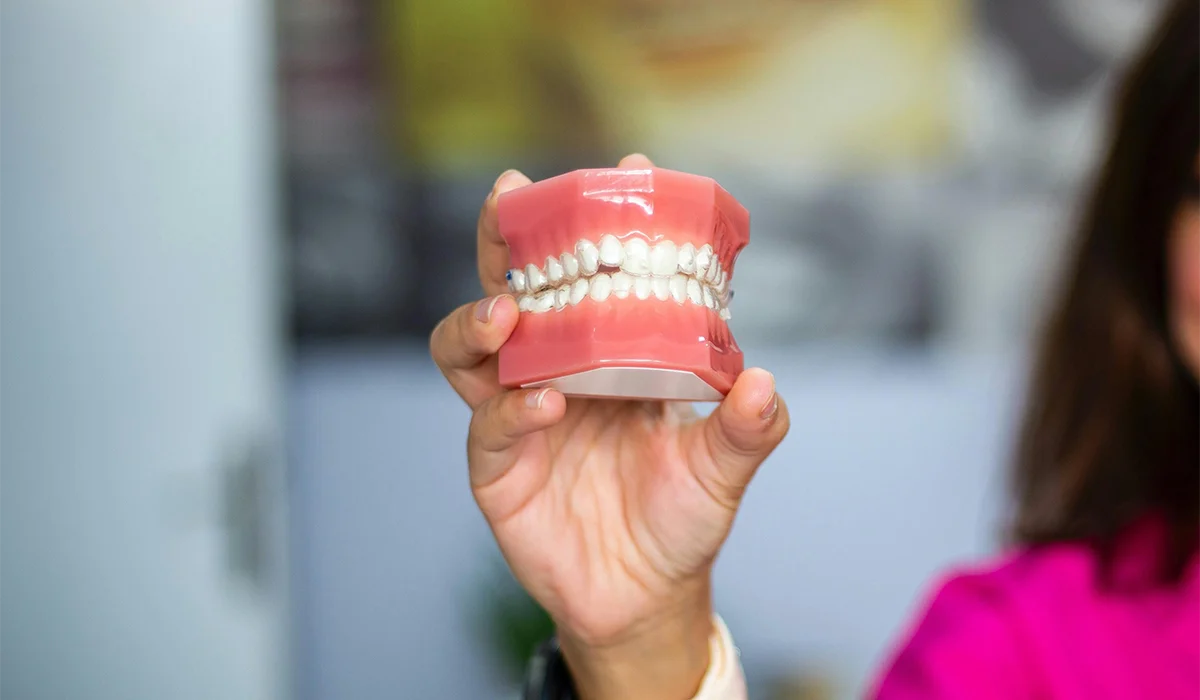
Flexible dentures are removable partial dentures made from nylon-based or thermoplastic materials that bend slightly without breaking.
They are designed to:
- Fit snugly around natural teeth and gums
- Eliminate the need for visible metal clasps
- Provide a lightweight, barely noticeable feel
- Reduce pressure points and gum irritation
This makes them particularly popular among patients who struggle with discomfort from rigid dentures or want a more aesthetic solution.
Clinical insight most people don’t know
Flexible materials distribute chewing forces more evenly across the gum surface. This reduces localized pressure, which can help minimise long-term bone resorption compared to poorly fitted rigid dentures.
Flexible Dentures vs Acrylic Denture: Which Is Better?
Key structural differences
- Acrylic denture uses rigid polymethyl methacrylate (PMMA)
- Flexible dentures use soft thermoplastic resin
Practical comparison
| Feature | Flexible Dentures | Acrylic Denture |
|---|---|---|
| Comfort | High, adapts to gums | Moderate, can feel bulky |
| Aesthetics | Natural, no metal clasps | May include visible clasps |
| Weight | Lightweight | Heavier |
| Durability | Flexible, fracture-resistant | Strong but can crack if dropped |
| Adjustments | Difficult to modify | Easy to repair or adjust |
| Cost | Moderate | Lower |
Flexible dentures are ideal for comfort and appearance, while acrylic dentures remain a practical and budget-friendly solution.
What Are Permanent Dentures and Are They Worth It?
Permanent dentures usually refer to implant-supported dentures that are fixed or semi-fixed in the mouth.
Types include:
- Implant-retained (snap-on) dentures
- Fixed full-arch dentures (All-on-4 style)
- Long-term final dentures after healing
Benefits of permanent dentures:
- Strong chewing ability close to natural teeth
- No slipping or movement
- Helps preserve jawbone structure
According to NHS guidance on tooth replacement, implant-supported options provide improved stability and long-term oral health benefits compared to removable dentures.
However, they require surgery, higher investment, and longer treatment time.
Can You Get Same Day Dentures?
Same day dentures, also known as immediate dentures, are placed right after tooth extraction so you never go without teeth.
Important points:
- Usually made from acrylic materials
- Prepared before tooth removal
- Act as a temporary solution during healing
Why they are rarely same day:
- They require more precise lab fabrication
- Gum shape changes after extraction
- Adjustments are harder compared to acrylic
Same day are best viewed as a transitional step before moving to flexible or permanent dentures.
Who Should Choose Flexible Dentures?
They are best suited for:
- Patients missing a few teeth (partial dentures)
- People with sensitive gums
- Individuals allergic to metal
- Patients concerned about visible clasps
They are less suitable for:
- Full mouth restorations
- Heavy chewing demands
- Cases requiring frequent adjustments
Step-by-Step Process to Get Flexible Dentures
- Consultation and oral examination
- Digital or physical impressions
- Bite alignment recording
- Lab fabrication using thermoplastic materials
- Fitting and comfort adjustments
- Follow-up visits for long-term success
Hidden Advantages of Flexible Dentures
These benefits are rarely explained clearly online:
- Micro-flex design reduces gum trauma during chewing
- Better psychological comfort due to natural feel
- No metal components improves aesthetics significantly
- Lower risk of breakage compared to rigid acrylic bases
Research supported by National Institute of Dental and Craniofacial Research highlights ongoing advancements in dental materials improving durability and comfort.
How to Care Properly
- Clean daily using non-abrasive solutions
- Avoid hot water to prevent warping
- Store in water when not in use
- Do not use regular toothpaste
- Schedule regular dental check-ups
For detailed oral care guidance, refer to Oral Health Foundation recommendations on denture hygiene.
When to Choose Flexible vs Permanent vs Acrylic vs Same Day Dentures
Quick decision guide
- Missing a few teeth → Flexible dentures
- Full tooth loss with budget concern → Acrylic dentures
- Maximum stability and long-term solution → Permanent dentures
- Immediate need after extraction → Same day dentures
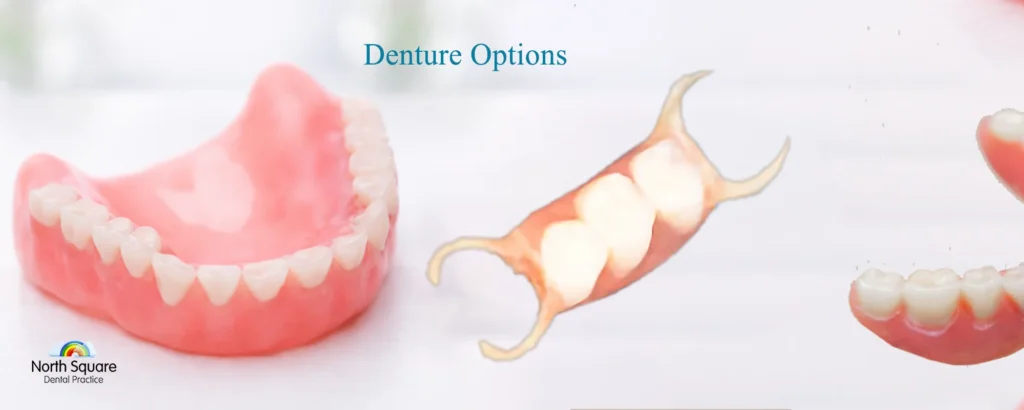
This structured decision-making approach aligns with modern prosthodontic planning principles recommended by the British Dental Association.
FAQ:
Yes, they adapt to the natural shape of your gums, reducing pressure points and irritation. Many patients find them easier to wear for longer periods.
Permanent dentures provide superior stability and chewing strength. However, flexible dentures are more affordable and less invasive.
In most cases, no. Same day dentures are usually acrylic because they are easier to adjust during healing.
They are harder to repair compared to acrylic dentures and may require replacement rather than simple fixes.
Why Choose North Square Dental Practice for Dentures?
North Square Dental Practice focuses on delivering tailored solutions using modern techniques and high-quality materials.
What sets us apart:
- Personalised treatment planning for flexible, acrylic, and permanent dentures
- Advanced fitting techniques for maximum comfort
- Natural-looking results designed around your smile
- Clear pricing with no hidden surprises
- Ongoing support and aftercare
We guide you through every stage, whether you need same day dentures or a long-term permanent solution.
Book Your Consultation Today
If you are considering flexible dentures or exploring permanent and same day denture options, the right guidance makes all the difference.
Book your consultation with North Square Dental Practice today and take the first step toward a confident, comfortable smile.