

Yeah! it actually can be safe, even if your teeth are a bit sensitive. The key thing is doing it properly, not just grabbing random whitening strips and hoping for the best.
When a dentist handles it (or gives you the right stuff to use at home), they use gentler gels and add things that calm the nerves in your teeth. That means you can still get a whiter smile without that horrible “zing” feeling every time you drink something cold.
You’ll usually start seeing results in like 1–2 weeks, and it doesn’t wreck your enamel if it’s done right.
What Causes Tooth Sensitivity During Whitening?
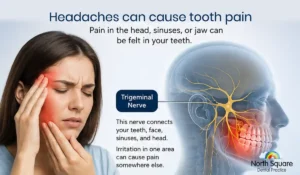
So basically, whitening gel goes into tiny little channels inside your teeth. When those get exposed, your nerves react that’s where the “zing” feeling comes from.
It’s more likely to happen if:
- Your enamel is a bit worn down
- Your gums have receded
- You grind your teeth
- You use strong or badly fitted whitening kits
A lot of people get some level of sensitivity (like 60–80%), but it’s usually mild and only lasts a couple of days.
Can You Whiten Sensitive Teeth Safely?
Yeah, you can you just need to pick the right method.
Here’s a simple breakdown:
| Whitening Method | Strength | Sensitivity Risk | Best For |
|---|---|---|---|
| Custom trays (dentist) | Low | Low | Safest and most controlled |
| In-clinic whitening | Medium | Medium | Faster results |
| Strips / shop kits | Medium–high | Higher | Not ideal for sensitive teeth |
| LED kits | Low | Lowest | Gentle and beginner-friendly |
The main difference is control dentists adjust everything based on how sensitive your teeth actually are.
Best Teeth Whitening Options for Sensitive Teeth
If your teeth are sensitive, don’t just pick random products go for ones designed to protect your enamel.
Good options:
- Professional take-home trays
These are custom-made, so they fit properly and don’t leak onto your gums. Way safer than strips. - Desensitising gels
Used before or after whitening. They help block nerve signals so you don’t feel that sharp pain. - Low-dose LED systems
Slower results, but much gentler on your teeth. - Advanced dentist systems (like Enlighten-type treatments)
These are designed to whiten and reduce sensitivity at the same time.
One thing to avoid charcoal toothpaste. It might look trendy, but it actually wears down enamel over time, which just makes sensitivity worse.
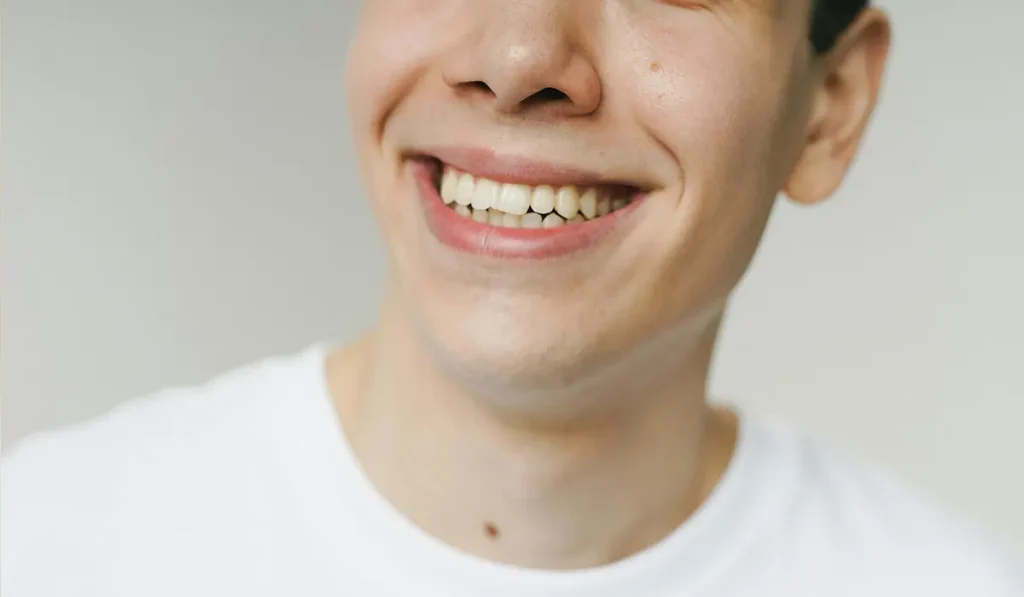
Teeth Whitening for Sensitive Teeth in North London
If you’re in North London, you’ve actually got some solid options for safe whitening.
North Square Dental Practice focus on tailored Teeth Whitening treatments, especially for people with sensitive teeth. Instead of using one standard strength, we adjust everything based on your enamel and gum condition.
The good thing locally is you can usually get:
- A proper sensitivity check before starting
- Custom trays instead of generic kits
- Treatments that follow UK safety guidelines
Step-by-Step Guide to Safe Whitening at Home
If you’re doing it at home, just don’t rush it.
Here’s a simple way to do it safely:
- Use a sensitivity toothpaste for about a week before starting
- Start with a low-strength whitening gel
- Use it for 30–60 minutes max (don’t leave it on longer)
- If you feel sharp pain, pause for a day or two
- Avoid coffee, tea, or fizzy drinks for 48 hours after
You can still get around 4–6 shades whiter in about 10–14 days doing it this way.
Real Case Studies from Clinical Practice
From actual cases at North Square Dental Practice, most people with sensitive teeth still get good results without major issues.
- Case 1:
A patient with gum recession used a lower-strength gel with a protective layer first ended up about 5 shades whiter with no sensitivity at all. - Case 2:
Someone who grinds their teeth (so thinner enamel) used a gentle LED-based system only had slight tingling for a day, then fine. - Rare cases:
A small number of patients needed to pause treatment, but everything settled within a few days after using remineralising gels.
Overall, around 90%+ of patients handled whitening well when it was adjusted properly.
Risks and How to Avoid Them
Problems usually happen when people overdo it or use strong products without guidance.
Watch out for:
- Pain that doesn’t go away
- Gum irritation from gel overflow
- Whitening too often
To stay safe:
- Stick to lower-strength gels
- Don’t keep repeating treatments too frequently
- Give your teeth time to recover
FAQ
Yeah, because everything is customised: strength, fit, and timing.
Usually 1–3 days. If it lasts longer, take a break and check with a dentist.
No, those don’t change colour, so you might need adjustments after.
Stop for a bit and let your teeth recover then restart more gently.
Not really. Some can actually damage enamel instead of helping.
Why Choose North Square Dental Practice for Sensitive Teeth Whitening?
North Square Dental Practice is known for handling sensitive teeth properly instead of using a one-size-fits-all approach.
What makes them different:
- We check your sensitivity before starting
- Everything is customised to your teeth
- Uses modern systems designed to reduce discomfort
- Results are consistent without pushing your enamel too far
Final Thoughts
So yeah, having sensitive teeth doesn’t mean whitening is off the table.
You just need to be a bit more careful with how you do it. Go for gentler options, don’t rush the process, and listen to your teeth.
That way, you still get a brighter smile, just without the pain.